Furnace Repair or Replace? How to Decide for Your Home
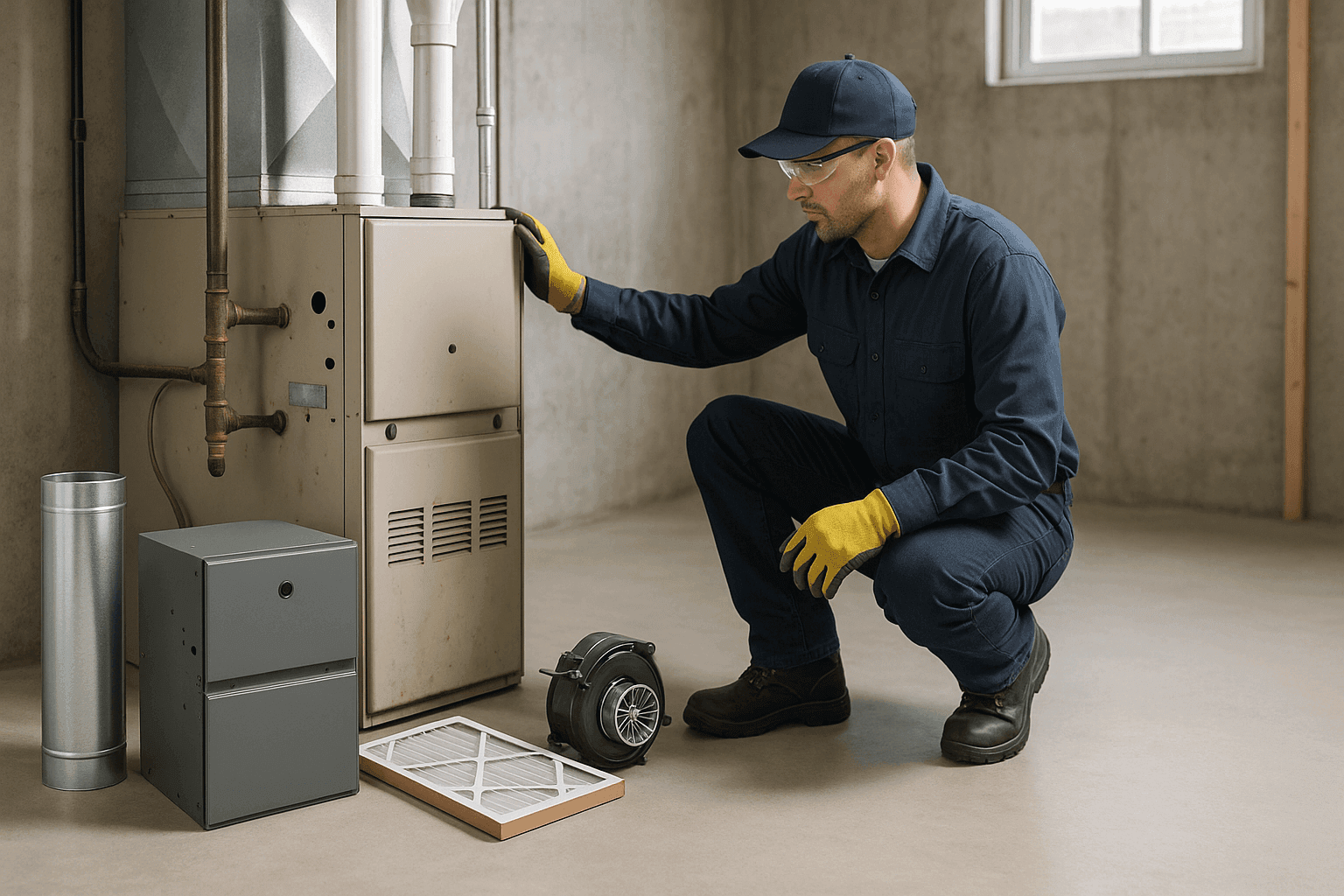
When your furnace sputters out in the middle of a freezing night, it’s more than just an inconvenience—it’s a race against the cold. Homeowners often face a tough choice: is it best to patch things up, or is it finally time to invest in a new system? At Bonus HVAC, we know these decisions are stressful, especially when safety, comfort, and your budget are on the line.
This guide breaks down the real warning signs, the hidden costs, and what to expect from emergency hvac help—so you can stay warm, safe, and confident in your decision.
Signs Your Furnace Needs Repair or Replacement 🛠️
A furnace can be as stubborn as a rusty old car—sometimes a little fix keeps it humming, sometimes it’s ready for retirement. Here’s how to spot the difference:
1. Age of Your Furnace
- Older than 15 years? Most furnaces last 15–20 years, per the U.S. Department of Energy. If yours is hitting that age, repairs may only buy time.
- Frequent breakdowns: More service calls in the last two years? That’s a red flag.
2. Strange Noises
- Rattling, banging, screeching: Odd sounds signal worn-out or loose parts. Think of it like a car making new noises—rarely a good sign.
- Loud humming: May indicate motor problems or electrical issues.
3. Higher Energy Bills
- Sudden jumps in cost: If your bills are climbing but your usage hasn’t changed, your furnace could be losing efficiency.
- Uneven temperatures: Cold spots around the home mean the system is struggling.
4. Safety Issues
- Yellow pilot light: Should be blue. Yellow means possible carbon monoxide risk.
- Soot or rust: Buildup around vents or on the furnace itself is a warning.
- Physical symptoms: If anyone in the house feels dizzy or nauseous, leave immediately and call for emergency hvac assistance.
Quick Safety Checklist
- [ ] Is the pilot light blue?
- [ ] Are CO detectors working and less than 7 years old?
- [ ] Smell gas? Leave the house and call emergency services.
- [ ] Check for soot, rust, or water leaks around the unit.
- [ ] Listen for new or loud noises.
If you check any of these boxes, don’t wait—get a licensed technician out fast.
Cost Comparison: Fixing vs. Replacing
Let’s talk dollars and sense. Fixes might seem cheaper, but there’s more beneath the surface.
Short-Term Repair Costs
- Minor fixes: A thermostat swap or igniter replacement can be reasonable.
- Repeated repairs: If you’re stacking bills every season, the costs add up—like patching a leaky roof again and again.
Long-Term Replacement Costs
- Upfront investment: New furnaces can be pricey, but modern units slash energy bills by up to 30%, according to ENERGY STAR.
- Warranty coverage: New systems come with warranties, saving you on future repairs.
- Home value: New, efficient systems boost resale value and appeal.
Real-World Example
A homeowner in a cold climate spent $400 yearly for repairs on a 17-year-old furnace. After upgrading, their winter bills dropped by $55/month and repairs vanished.
Compare Costs Checklist
- [ ] Add up recent and projected repair bills.
- [ ] Ask for a sample quote from Bonus HVAC for both repair and replacement.
- [ ] Factor in energy savings from a new system.
- [ ] Consider possible rebates for high-efficiency units from your utility company.
Safety & Efficiency Considerations ⚠️
A furnace is the heart of your home’s comfort—but also a source of serious risks if neglected.
Safety First
- Carbon monoxide: This colorless, odorless gas is deadly. Old or cracked heat exchangers leak CO.
- Fire hazards: Faulty wiring or gas leaks can spark fires. The National Fire Protection Association recommends annual inspections.
- Air quality: Poorly maintained systems can circulate dust, mold, or even exhaust fumes.
Efficiency Matters
- Old systems: Can waste up to 40% of fuel, according to the U.S. Department of Energy.
- New technology: Variable-speed motors, smart thermostats, and sealed combustion improve efficiency and comfort.
When Replacement Is the Best Option
Sometimes, it’s time to let go. Replacement is usually the right call when:
- The furnace is over 15–20 years old.
- Repairs cost more than half the price of a new system.
- You’re noticing frequent breakdowns or uneven heating.
- Safety issues crop up—especially with CO or gas leaks.
- Your home fails a Home Energy Audit near you, showing high heat loss.
Bonus Tip
If your home’s insulation or ductwork is also outdated, replacing the furnace alone may not solve your comfort issues. Ask about a whole-system approach for better results.
What to Expect from an Inspection 🔍
When you call Bonus HVAC, here’s what happens during a professional visit:
Step-by-Step Inspection Checklist
- Visual assessment: Technician checks for obvious damage, corrosion, or leaks.
- Operational test: Furnace is turned on and cycled through all settings.
- Component checks: Heat exchanger, blower, thermostat, and safety controls are tested.
- Air quality review: Filters, ducts, and vents are inspected for buildup or blockages.
- Combustion analysis: Ensures safe CO2 and CO levels.
- Sample quote: You’ll get a detailed quote for repairs or replacement—no surprises.
What You’ll Receive
- Written report with findings and code compliance (per International Residential Code guidelines).
- Photo evidence of any problem areas.
- Straightforward repair vs. replace recommendations.
Practical Tips for Homeowners
- Schedule annual maintenance: Prevents most breakdowns and keeps warranties valid.
- Change filters every 1–3 months: Especially during heavy use.
- Upgrade to smart thermostats: Reduces wear and energy use.
- Seal windows and doors: Helps your furnace work less.
Local & Seasonal Considerations ❄️
Living where winter hits hard? The urgency for reliable heat is real. In regions with deep freezes, a failing furnace isn’t just uncomfortable—it’s dangerous. Pipes can freeze in hours, and subzero temps can turn minor issues into emergencies overnight.
- Plan ahead: Don’t wait for the first cold snap. Book inspections early in the season.
- Emergency hvac services: Know which company offers true 24-hour response.
- Generator backup: In areas prone to power outages, ask about generator installation to keep heat on during storms.
Frequently Asked Questions
How long does a typical furnace repair take?
Most repairs are done in 1–3 hours, but parts availability or major issues can extend this.
Will a new furnace lower my utility bills?
Almost always, especially if your current unit is over 15 years old. ENERGY STAR models are up to 30% more efficient.
Is it safe to use my furnace if it’s making noise?
No. Unusual sounds can mean dangerous problems—shut it off and call Bonus HVAC.
Can I do any furnace repairs myself?
Homeowners can change filters and check thermostats, but electrical, gas, or mechanical fixes require a licensed technician for safety and compliance.
The Bottom Line
Choosing whether to repair or replace your furnace isn’t always straightforward. But with clear warning signs, honest cost comparisons, and a trusted team on your side, you can make the choice that keeps your family safe and comfortable through the coldest nights.
Call Bonus HVAC now — or reach us anytime at 855-774-8559 .