Generator Installation for Homeowners: Safety, Cost & Maintenance Guide
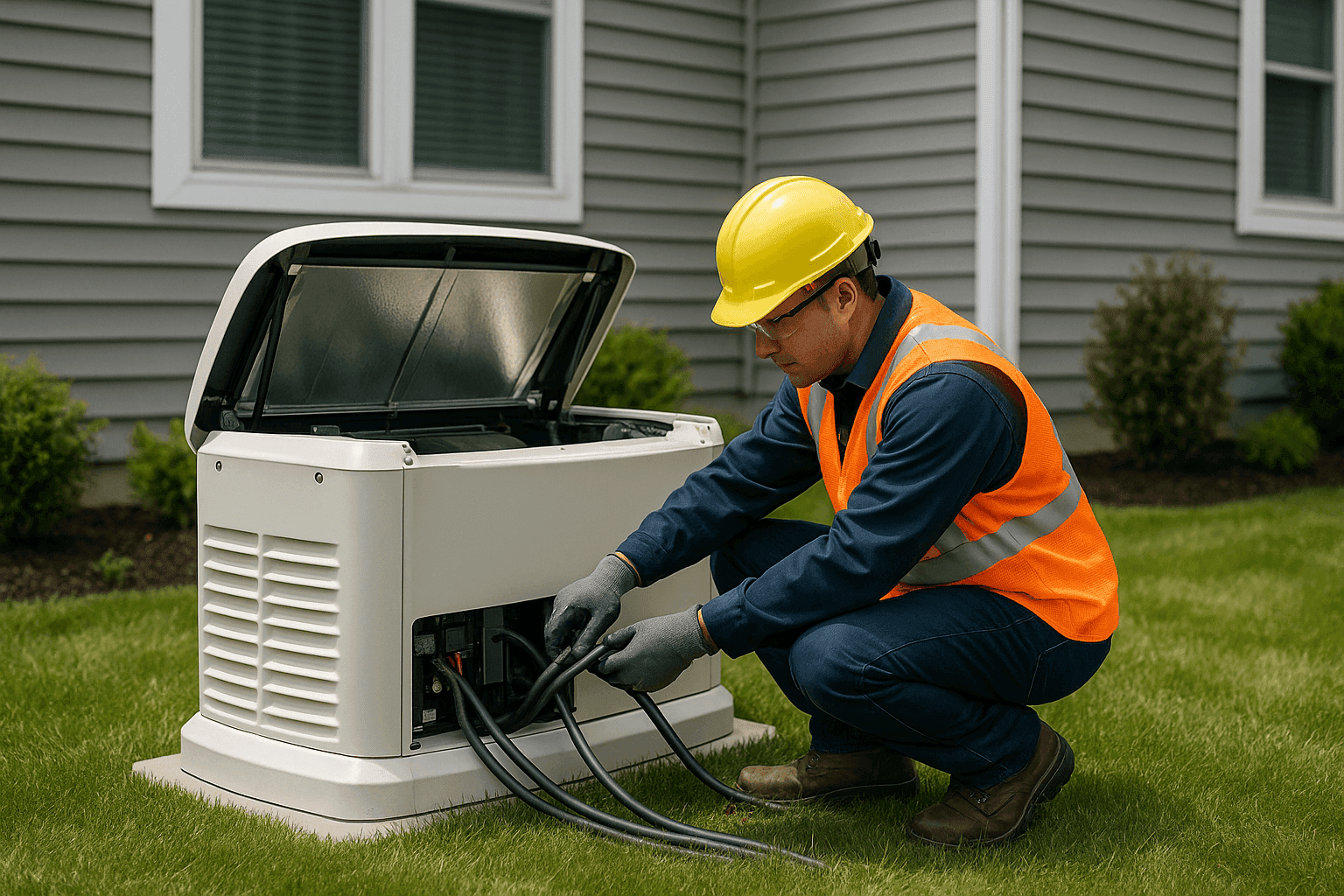
When the lights go out, the world feels a bit smaller. The hum of daily life stops. Fridges stall, phones fade, and winter’s chill creeps in. At Bonus HVAC, we know how fast a power outage can turn from inconvenience into a true emergency—especially for homeowners in storm-prone areas, or where freezing temperatures and hurricanes are part of the landscape.
A backup generator isn’t just a luxury. It’s peace of mind. It means your family stays warm, safe, and connected—no matter what the weather throws your way. This guide walks you through every step: why you need a generator, how to pick one, what it will cost, and how to keep it ready for the next outage.
Why Install a Home Generator? ⚡
Think of a home generator as an insurance policy for your comfort and safety. It stands guard against surprise blackouts—whether caused by ice storms, hurricanes, downed trees, or overloaded grids.
- Emergency Power: Keep essentials running—fridge, heat, medical devices.
- Comfort: Maintain heating, cooling, and lighting until the main power returns.
- Security: Alarm systems, cameras, and smart locks keep working.
- Home Value: A professionally installed generator is a selling point for buyers.
In regions where outages hit hard—think Gulf Coast hurricanes, Midwest ice storms, or Northeast nor’easters—a generator can mean the difference between a minor blip and a major crisis.
Types of Home Generators: Portable or Standby? 🏠
Generators come in two main flavors: portable and standby. Each has its own role, like choosing between a bike and a car for your daily commute.
Portable Generators
- Mobility: Move them where needed; store when not in use.
- Manual Setup: Must be started and connected during an outage.
- Power: Usually run a few essentials, not the whole house.
- Fuel: Gasoline or propane. Needs refueling and safe storage.
Standby Generators
- Automatic: Senses outages and kicks on in seconds.
- Whole-Home Power: Can supply everything, or just the circuits you choose.
- Fuel: Natural gas or propane. No refueling needed.
- Permanent: Professionally installed outside, like an AC unit.
Which is right for you?
If you want hands-off, seamless backup and have frequent or long outages, standby is the gold standard. For smaller budgets or rare blackouts, a portable model may do the job.
Installation Process & Safety Tips 🛠️
Installing a generator is not a weekend DIY project. It’s more like adding another heart to your home’s electrical system. Safety and code compliance are critical.
The Process
- Home Energy Audit: Assess which appliances must run during an outage. (Try searching “Home Energy Audits near you” for a local checkup.)
- Sizing: Choose a generator with enough wattage for your needs.
- Permitting: Most towns require permits and inspections for standby units. Check local code and utility rules.
- Site Prep: Pick a stable, flood-free spot—ideally near your electrical panel, away from windows and vents.
- Professional Installation: Licensed technicians handle fuel lines, transfer switches, and electrical connections.
- Testing: Ensure automatic startup and safe shutoff.
Safety Musts
- Ventilation: Never run a generator indoors, in garages, or near open windows. Carbon monoxide is deadly.
- Fuel Storage: Store gasoline and propane safely, away from heat sources.
- Manufacturer Guidelines: Always follow the installation instructions and maintenance schedules.
- Transfer Switch: Prevents “backfeeding” power onto the grid, which can endanger utility workers.
For more on safe installation, consult the National Fire Protection Association (NFPA 37) and your local building department.
Cost Breakdown & Incentives 💸
How much will a generator cost? Think of it like buying a new HVAC system—there’s the unit, the install, and ongoing care.
- Portable Generators: $500–$2,500+ (not including extension cords or manual transfer switches)
- Standby Generators: $3,000–$12,000+ (unit and installation)
- Installation Fees: Vary by wattage, fuel type, and site conditions.
- Permitting: $100–$500, depending on local rules.
- Fuel Costs: Natural gas or propane lines may require additional setup.
Incentives
Some regions offer rebates or tax credits for backup generators, especially when paired with home energy upgrades or solar panels. Check your local utility or government energy office for details.
Maintenance Checklist: Keep Your Generator Ready 📝
A generator is only as good as its last maintenance. Here’s how to keep yours storm-ready:
Pre-Storm Tips
- Check fuel levels and supply lines.
- Test run the unit (let it run for 10–15 minutes).
- Inspect air filters and replace if dirty.
- Clear debris from around the unit for airflow.
Annual Care
- Professional inspection of wiring, transfer switch, and engine.
- Change oil and filters as recommended by the manufacturer.
- Check battery health and replace as needed.
- Run under load to ensure it can handle your home’s needs.
A licensed technician should perform annual service—especially before storm season.
Planning for Local Outages & Severe Weather 🌪️
If you live where hurricanes, blizzards, or rolling blackouts are common, a generator isn’t optional. It’s essential.
- Storm Readiness: Schedule service before hurricane or winter storm season.
- Freezing Climates: Make sure your generator is winterized and protected from ice.
- Flood Zones: Elevate the unit above flood risk and anchor it properly.
- Urban Areas: Follow strict noise and emissions codes.
Check the U.S. Department of Energy and FEMA guides for region-specific recommendations.
Licensed Install: Why It Matters
At Bonus HVAC, every generator install is handled by licensed, insured professionals who follow manufacturer rules and local codes to the letter. We never cut corners. That’s the difference between a safe, reliable backup system and big regrets down the road.
Generator FAQ
How long will my generator run during an outage?
Most standby units can run as long as they have fuel—days or even weeks. Portables depend on fuel tank size and refueling.
Can I install a generator myself?
For portable units, yes—with care. For standby systems, no. Electrical and gas work requires permits and expertise.
Will a generator power my whole house?
That depends on the unit size and what you want to run. A proper Home Energy Audit near you helps size your system.
Do generators require much maintenance?
Yes. Like a car, they need regular oil changes, filter swaps, and test runs to stay reliable.
The Bottom Line
A home generator is peace of mind on standby. With the right planning, safe installation, and routine care, your family stays comfortable—no matter what nature has in store.
Call Bonus HVAC now — or reach us anytime at 855-774-8559 .