How to Improve Indoor Air Quality for Healthier Homes and Businesses
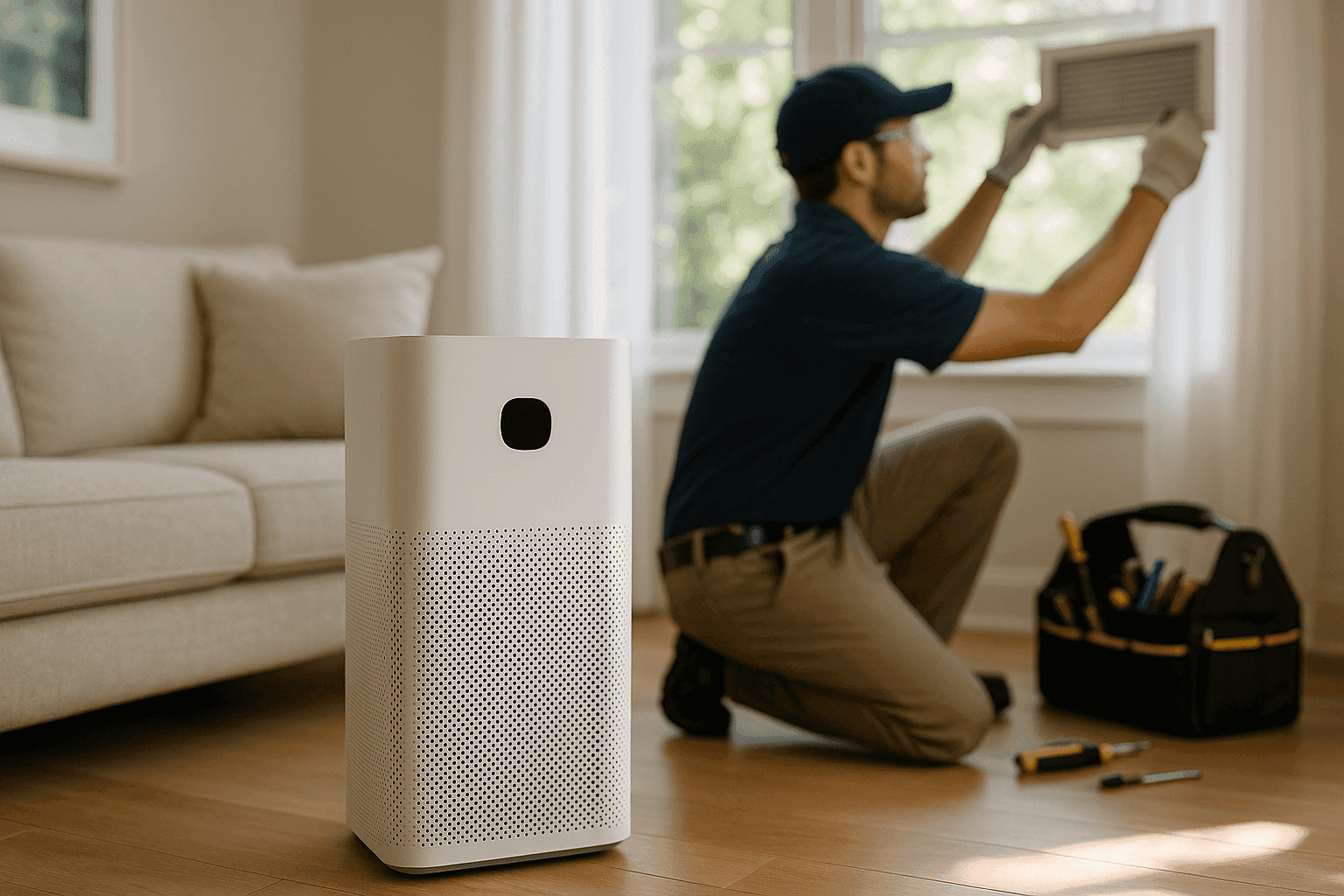
Ever walk into a room and feel your nose itch, your eyes water, or your head get heavy? That’s not just the weather or a bad day. The air inside your home or business might be working against you. At Bonus HVAC, we know how quickly indoor air quality (IAQ) can slip—and how much it matters for your comfort, health, and peace of mind.
If you’re a homeowner or small business owner, your indoor air is as important as the roof over your head. Let’s break down why IAQ is more than a buzzword—and what you can do, starting today.
Understanding Indoor Air Quality
Indoor Air Quality, or IAQ, is a measure of how clean or polluted the air is inside buildings. Think of it like the water in a fish tank. If the water is dirty, the fish struggle. If your air is full of invisible pollutants, you and your family or staff feel it—even if you can’t see it.
Common indoor air pollutants include:
- Dust and pollen
- Mold spores
- Pet dander
- Volatile organic compounds (VOCs) from paints, cleaners, or office equipment
- Smoke (from cooking, fireplaces, or tobacco)
- Bacteria and viruses
- Carbon monoxide and nitrogen dioxide (from poorly vented appliances)
The U.S. Environmental Protection Agency (EPA) lists indoor air pollution as one of the top five environmental risks to public health. Modern buildings are sealed tight for energy efficiency, but that can trap pollutants inside. The result? Stale, unhealthy air.
Signs of Poor Air Quality 🧐
How do you know if your IAQ is off? Your body and your building will tell you.
Watch for these symptoms and signs:
- Frequent sneezing or coughing indoors
- Headaches that disappear when you leave the building
- Dry, itchy skin or eyes
- Unusual fatigue or trouble concentrating
- Musty, stale, or chemical odors
- Visible mold or mildew on walls, ceilings, or vents
- Excessive dust buildup around vents or on surfaces
- Condensation on windows or walls
If your pets are scratching more, or your employees call in sick often, pay attention. Poor air quality can be the invisible culprit.
Practical Ways to Improve IAQ
You can’t see air, but you can control what’s in it. Here’s how:
Regular HVAC Maintenance
Your heating and cooling system is like the lungs of your building. Regular checkups keep air moving and clean.
- Schedule professional HVAC maintenance at least twice a year.
- Clean or replace air filters every 1–3 months (more often if you have pets or allergies).
- Make sure your AC and furnace coils are free of dust and debris.
A well-maintained system not only improves air quality but also runs more efficiently, saving you money.
Duct Cleaning
Air ducts can be a hidden highway for dust, mold, and even pests. Over time, buildup inside ducts can spread pollutants every time your system runs.
- Have ducts inspected and cleaned by a professional if you notice visible mold, a vermin infestation, or excessive dust.
- The National Air Duct Cleaners Association (NADCA) recommends cleaning as needed, not on a fixed schedule.
Filter Replacement
Think of your air filter as a bouncer at the club. If it’s clogged, nothing good gets through.
- Use high-quality filters rated MERV 8 or higher for most homes and businesses.
- Change filters regularly—don’t wait until they’re gray.
Air Scrubbers and Purifiers
These devices use special filters, UV light, or ionization to capture and destroy pollutants.
- Consider installing an air scrubber or whole-home purifier, especially if you have allergies or respiratory issues.
- Portable purifiers can help in high-traffic or problem areas.
Humidifiers and Dehumidifiers
Humidity is a balancing act. Too dry, and your throat burns. Too damp, and mold takes over.
- Keep indoor humidity between 30% and 50% (CDC guidelines).
- Use humidifiers in winter to add moisture, and dehumidifiers in summer or damp areas to remove excess.
Ventilation Improvements
Stale air needs a way out. Fresh air needs a way in.
- Open windows when weather allows.
- Use kitchen and bathroom exhaust fans.
- Consider energy recovery ventilators (ERVs) or whole-house fans for year-round solutions.
Other Tips
- Avoid smoking indoors.
- Store chemicals, paints, and cleaners in sealed containers.
- Fix leaks promptly to prevent mold growth.
- Regularly vacuum with a HEPA-filter vacuum.
Seasonal Considerations
Every season brings its own IAQ challenges.
Winter Heating
- Furnaces and fireplaces can release carbon monoxide and other gases.
- Dry air can irritate sinuses and skin.
- Keep vents clear and check for carbon monoxide leaks (use a CO detector).
Summer Cooling
- High humidity encourages mold and dust mites.
- Air conditioning can dry air too much if overused.
- Clean AC coils and check for standing water in drain pans.
Professional IAQ Testing and Solutions 🛠️
Sometimes, DIY isn’t enough. If you’ve tried the basics and still have issues, or if you suspect hidden mold, asbestos, or gas leaks, it’s time to call professionals.
What to expect from a professional IAQ assessment:
- Air sampling for mold, VOCs, and other pollutants
- Inspection of HVAC systems, ducts, and filters
- Humidity and temperature checks
- Recommendations for remediation or equipment upgrades
Bonus HVAC offers 24/7 emergency hvac service, so if an urgent issue pops up—like a gas leak or sudden system failure—we’re ready, day or night.
Benefits of Improved IAQ
Why put in the effort? Clean air isn’t just about comfort—it’s about quality of life.
The payoffs include:
- Fewer allergy and asthma symptoms
- Better sleep and concentration
- Reduced risk of respiratory illnesses
- Less dusting and cleaning
- Longer HVAC equipment life
- Lower energy bills due to efficient airflow
Cleaner air means happier families, healthier employees, and a safer, more productive environment.
When to Call for Emergency HVAC Help 🚨
Not every air quality issue is an emergency, but some need immediate attention:
- Sudden strong odors (gas, burning, chemicals)
- Carbon monoxide detector alarms
- Furnace or AC breakdowns in extreme weather
- Visible mold spreading rapidly
- Water leaks near HVAC equipment
If you’re not sure, don’t risk it. Emergency hvac professionals like Bonus HVAC are trained to handle urgent IAQ and system issues safely.
FAQ: Indoor Air Quality
How often should I replace my HVAC filter?
Most homes and businesses should replace filters every 1–3 months. If you have pets, allergies, or high traffic, check monthly.
Can indoor plants help improve air quality?
Some plants can absorb certain toxins, but they’re not a replacement for good ventilation and filtration.
How do I know if my ducts need cleaning?
If you see visible mold, smell musty odors, or notice dust blowing from vents, it’s time for an inspection.
Is professional IAQ testing worth it?
Yes—especially if you have unexplained health symptoms, a history of water damage, or concerns about hidden pollutants.
Special Considerations for Homes and Businesses
Every building is unique. Older homes may have asbestos or lead paint lurking. Businesses with kitchens, workshops, or lots of electronics face different IAQ challenges than a quiet home office. Always follow OSHA and EPA safety guidelines for air quality, and never ignore warning signs.
Bonus HVAC has experience handling everything from small apartments to busy commercial spaces. Our team is trained, certified, and available for emergency hvac service 24/7—because clean air can’t wait.
Call Bonus HVAC now — or reach us anytime at 855-774-8559 .