Ultimate Guide to HVAC Emergency Preparedness for Homeowners and Small Businesses
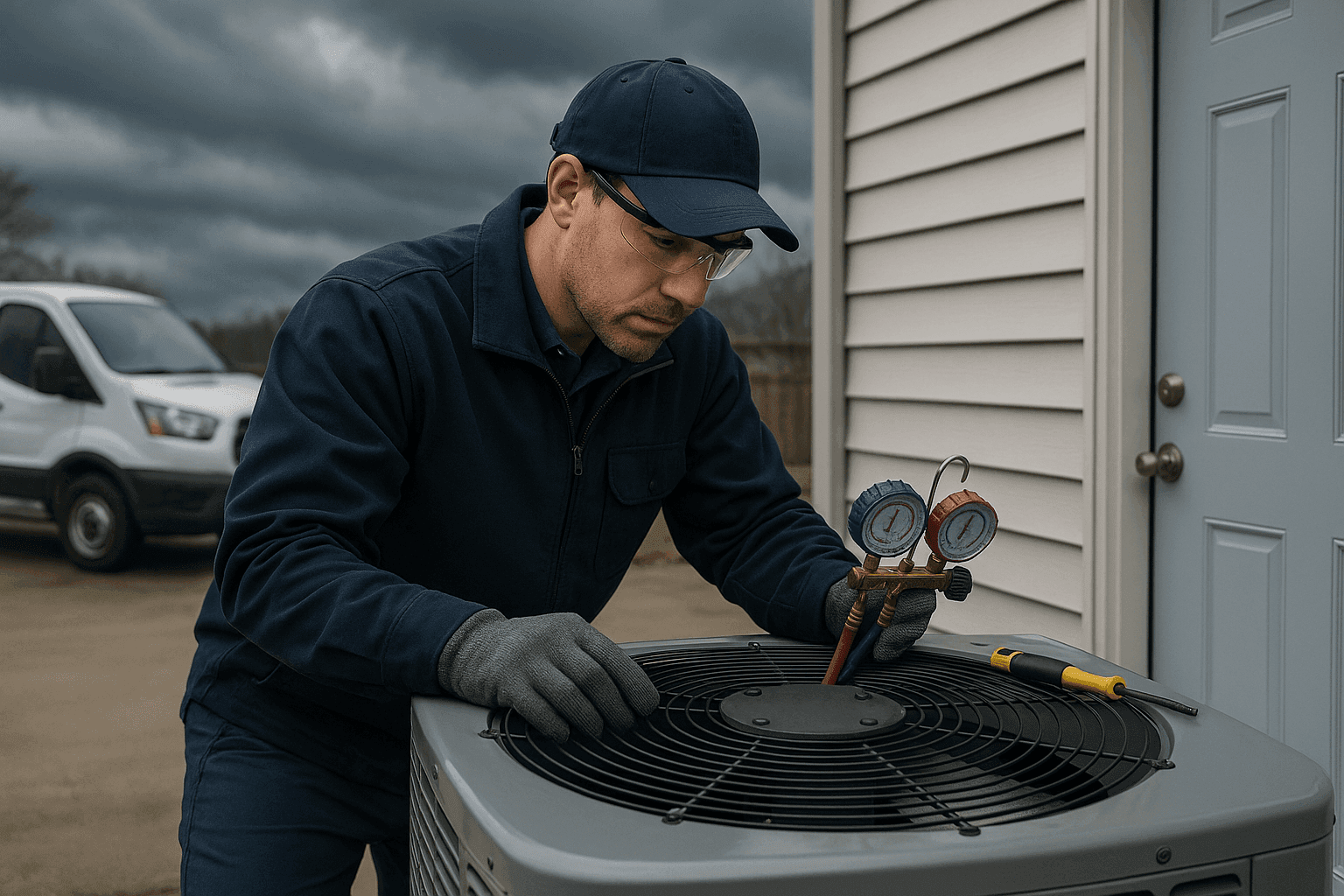
When the weather turns wild or the power blinks out, your comfort and safety depend on more than luck. HVAC emergencies don’t wait for a convenient time. They strike fast, leaving you scrambling for solutions.
At Bonus HVAC, we know what’s at stake. Your home or business needs to stay warm, cool, and safe—no matter what’s happening outside. Let’s walk through the steps to prepare your HVAC system for the unexpected.
Understanding Common HVAC Emergencies ⚡
Emergencies come in all shapes and sizes. Some hit like a sudden thunderstorm. Others creep in, quietly threatening your comfort and safety. Here’s what you might face:
- Power Outages: Your HVAC system can’t run without electricity. Severe storms, grid failures, or accidents can leave you in the heat or cold.
- Frozen Pipes and Coils: When temperatures plummet, water in pipes and coils can freeze, expand, and burst—causing water damage and system breakdowns.
- Flooding: Heavy rain or melting snow can flood basements and crawl spaces, damaging furnaces, ductwork, and electrical components.
- Overheating or Short Cycling: A system that runs too long or starts and stops rapidly can overheat, shut down, or even become a fire hazard.
- Blocked Vents or Exhausts: Snow, leaves, or debris can block airflow, leading to dangerous carbon monoxide buildup or overheating.
Emergencies don’t just put comfort at risk—they can threaten health and property. The U.S. Department of Energy and the National Fire Protection Association both stress the importance of regular HVAC inspections to minimize these risks.
Creating an HVAC Emergency Checklist
A checklist is your emergency toolkit. Simple, clear, and ready to go when you need it most.
Your HVAC Emergency Checklist:
- Test your thermostat and backup batteries monthly.
- Inspect air filters and replace if dirty.
- Clear outdoor units of leaves, snow, and debris.
- Check that vents and exhausts are open and unobstructed.
- Know where your main power shutoff is located.
- Keep flashlights and extra batteries nearby.
- Store Bonus HVAC’s emergency number in your phone.
- If you have a generator, test it regularly and keep fuel safely stored.
- Make sure carbon monoxide and smoke detectors work.
- Review your HVAC warranty and maintenance records.
A little preparation now can save hours—or even days—of discomfort later.
Seasonal Maintenance Tips to Prevent Failures
Think of HVAC maintenance like changing the oil in your car. Ignore it, and you risk breakdowns at the worst possible moment.
Spring & Summer
- Schedule a professional AC tune-up before heat waves arrive.
- Clean or replace air filters every 1–2 months.
- Check refrigerant lines for leaks or damage.
- Clear vegetation at least two feet from outdoor units.
Fall & Winter
- Have heating systems inspected before the first cold snap.
- Insulate exposed pipes to prevent freezing.
- Test your furnace for strange noises or odors.
- Clean registers and make sure they’re not blocked by furniture or rugs.
The Environmental Protection Agency (EPA) recommends annual HVAC inspections to keep systems safe, efficient, and ready for emergencies.
How to Choose Reliable 24/7 Emergency HVAC Services
When the heat goes out or the AC stops in the dead of night, you need help now—not tomorrow. But how do you choose the right emergency HVAC team?
Look for:
- Certified, background-checked technicians.
- 24/7 live phone support—no voicemails, no waiting.
- Clear safety protocols and proper identification.
- Up-to-date training on all major brands and systems.
- Transparent pricing for after-hours calls.
- Positive reviews from homeowners and small businesses.
Bonus HVAC technicians arrive prepared. We follow strict safety standards, use manufacturer-approved parts, and communicate every step. Your peace of mind matters.
The Importance of Backup Power: Generators and More
A backup generator is like an umbrella on a stormy day. You hope you never need it—but when you do, you’re glad it’s there.
Why consider a generator?
- Keeps your HVAC running during outages.
- Protects against frozen pipes and spoiled food.
- Maintains indoor air quality by powering fans, purifiers, and dehumidifiers.
- Provides light and power for critical devices.
If you already have a generator, test it monthly. Schedule annual generator maintenance with a certified pro. Always follow local electrical codes and manufacturer guidelines—safety first.
DIY vs. Calling a Pro: What’s Safe, What’s Not
Some emergency steps are safe for homeowners. Others require a licensed technician.
Safe to DIY:
- Changing air filters.
- Resetting tripped breakers.
- Clearing debris from outdoor units.
- Testing thermostats and batteries.
Call a Pro Immediately If:
- You smell gas or burning odors.
- There’s water leaking from your HVAC.
- The system trips breakers repeatedly.
- You hear loud banging, screeching, or grinding.
- The unit won’t start after basic troubleshooting.
Never try to repair gas lines, electrical wiring, or refrigerant leaks yourself. The National Electrical Code (NEC) and Occupational Safety and Health Administration (OSHA) both warn against unqualified repairs.
What Pros Do On Arrival
When our certified technicians arrive, they don’t just “fix and go.” Here’s what you can expect:
- Safety Assessment: Check for electrical, gas, or water hazards.
- System Diagnostics: Use specialized tools to pinpoint the problem.
- Temporary Solutions: If parts aren’t available, we’ll stabilize your system until a full repair can be made.
- Clear Communication: Explain what went wrong, what’s needed, and what it will cost.
- Documentation: Provide a written summary of the issue and any safety concerns.
We follow current building codes and manufacturer recommendations for every repair.
Prevention & Maintenance: Your Best Defense
The best way to handle an emergency? Prevent it in the first place.
Proactive Steps:
- Schedule regular HVAC maintenance—spring and fall are best.
- Keep records of all service visits and repairs.
- Upgrade to smart thermostats for early warning alerts.
- Consider indoor air quality testing, especially if anyone in your home has allergies or asthma.
- Ask about surge protectors and safety shutoffs for your HVAC system.
A well-maintained system lasts longer, costs less to run, and is far less likely to fail when you need it most.
Costs & Time Factors: What to Expect
Emergencies are stressful enough without surprise bills. While every situation is different, here’s what typically affects cost and repair time:
- Time of Day: After-hours and weekend calls may cost more.
- Severity: Simple fixes (like replacing a capacitor) are faster and less expensive than major repairs (like compressor replacement).
- Parts Availability: Rare parts may take extra time to source.
- System Age: Older systems can be harder—and pricier—to fix.
Most emergency HVAC repairs take between 1–4 hours once a technician arrives. More complex issues may require a follow-up visit.
When It’s an Emergency (and When It’s Not) 🚨
Not every HVAC hiccup is a true emergency. But some situations demand immediate action:
Call for Emergency HVAC Service If:
- The system stops during extreme heat or cold.
- You smell gas, burning, or see smoke.
- There’s flooding around your furnace or AC.
- Carbon monoxide alarms go off.
- Electrical breakers trip repeatedly.
Non-Emergencies:
- Unusual noises (but system still works).
- Minor leaks not near electrical components.
- Reduced performance but no safety risk.
When in doubt, it’s safer to call. Our team can help you decide if it’s urgent.
Frequently Asked Questions
How often should I schedule HVAC maintenance?
At least once a year for both heating and cooling systems. Twice is even better—once in spring, once in fall.
What’s the best way to prepare for a storm?
Test your generator, check filters, clear outdoor units, and set your thermostat to keep your home comfortable in case of a power loss.
Can I use my HVAC during a power outage if I have a generator?
Yes, if your generator is properly sized and installed. Always follow manufacturer instructions and local codes.
What are signs I need emergency HVAC service?
No heat or AC during severe weather, strange smells, water leaks near electrical parts, or alarms sounding.
Special Considerations for Homeowners and Small Businesses
Every building is unique. Small businesses may rely on specialized ventilation, exhaust systems, or commercial-grade units. Homes may have older wiring or limited access to backup power.
Tips:
- Review your insurance policy for emergency coverage.
- Keep a list of critical systems and their locations.
- For businesses, have an employee emergency plan in place.
- Consider energy audits to spot vulnerabilities before disaster strikes.
Preparation isn’t just about equipment—it’s about peace of mind.
Call Bonus HVAC now — or reach us anytime at 855-774-8559 .