How to Prepare Your HVAC System for Winter Storms
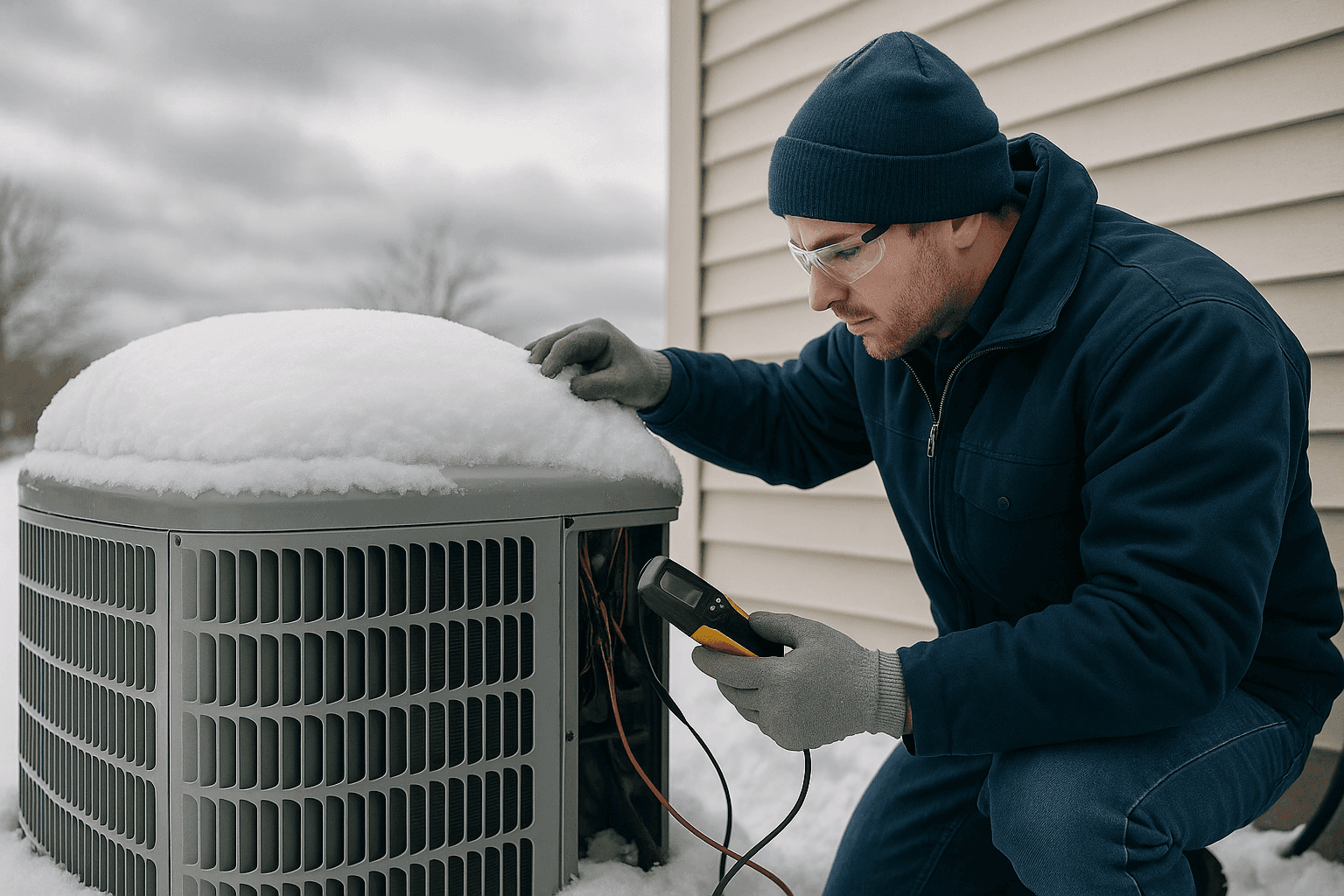
Winter storms don’t knock. They barge in, bringing bone-chilling winds and ice that can push your HVAC system to its limits. Whether you’re a homeowner or run a small business, a sudden cold snap can mean more than just shivers—it could spell trouble for your comfort, safety, and wallet.
At Bonus HVAC, we know what it takes to keep the heat on when the weather outside is frightful. Here’s how you can prepare your HVAC system for whatever winter throws your way.
Preparing Your Heating System for Winter
When the mercury dips, your heating system becomes the heart of your home or business. If it skips a beat, you’ll feel it—fast.
Inspect and Service Your Furnace
Start with a thorough checkup. Think of your furnace like a car before a road trip: you wouldn’t hit the highway without a tune-up.
- Replace or clean filters every 1–3 months. Dirty filters choke airflow and force your system to work harder.
- Listen for odd noises: banging, rattling, or whistling can signal trouble.
- Check your pilot light or ignition system for steady, blue flames. Flickering or yellow flames may indicate a problem.
- Test your thermostat to make sure it responds quickly and accurately.
The U.S. Department of Energy recommends annual professional maintenance to catch issues before they snowball.
Heat Pumps & Radiant Systems
If you rely on a heat pump or radiant floor heating, inspect for:
- Blocked outdoor units (clear away leaves, snow, and debris).
- Leaks or puddles around indoor components.
- Unusual cycling (turning on and off too frequently).
Professional Tune-Ups
A certified HVAC technician can:
- Inspect heat exchangers for cracks (a safety must).
- Check gas and electrical connections.
- Lubricate moving parts.
- Test system controls and safety switches.
Professional attention helps spot hidden problems and keeps your system running efficiently.
Protecting Your HVAC Equipment from Freeze Damage 🧊
Winter can be unforgiving. Pipes freeze. Outdoor units get buried. A little preparation goes a long way.
Insulate and Shield
- Wrap exposed pipes with foam insulation sleeves, especially those running through unheated spaces.
- Install covers on outdoor AC units (if not in use) to keep out snow and ice.
- Seal gaps in ductwork and around windows to keep warm air in and cold air out.
Smart Thermostat Settings
- Don’t set the thermostat too low. Keeping it above 55°F helps prevent frozen pipes.
- Use programmable thermostats to maintain steady temperatures, even when you’re away.
Keep Vents Clear
- Shovel snow away from outdoor HVAC units and vents.
- Check indoor vents for blockages from furniture, curtains, or dust.
Emergency Preparedness for Winter HVAC Failures
Even with the best prep, things can go sideways. Here’s how to stay safe and minimize damage if your system falters.
Recognize Warning Signs
- Rooms suddenly colder than usual.
- Strange smells—especially burning or musty odors.
- System won’t turn on or cycles constantly.
What to Do During Outages
- Turn off your system if you smell gas or suspect electrical issues. Safety first.
- Use space heaters cautiously—never leave them unattended.
- Keep doors closed to trap heat in main living areas.
- Open faucets slightly to prevent pipes from freezing if heat is lost for an extended time.
When to Call for Emergency HVAC Service
If you’ve lost heat and it’s dangerously cold, or if you notice leaks, sparks, or gas smells, call a professional immediately. Bonus HVAC offers 24-hour emergency hvac service—so you’re never left out in the cold.
Seasonal Maintenance Checklist ✔️
Stay ahead of winter’s worst with this practical list:
- Change or clean HVAC filters.
- Schedule a professional system inspection.
- Test carbon monoxide and smoke detectors.
- Clear outdoor units and vents of debris and snow.
- Insulate exposed pipes and ductwork.
- Program your thermostat for winter settings.
- Inspect weatherstripping and seals around doors/windows.
- Keep backup heating sources (like generators) serviced and ready.
- Review your emergency plan and have Bonus HVAC’s number handy.
DIY vs. Call a Pro
Some tasks are perfect for a Saturday afternoon. Others need a trained eye.
DIY Tasks
- Swapping out filters.
- Clearing snow and debris.
- Checking thermostat batteries.
Call a Pro For
- Annual inspections and tune-ups.
- Repairing gas or electrical components.
- Diagnosing strange noises or persistent problems.
- Installing or servicing complex systems like radiant heating or geothermal.
Attempting complex repairs without the right training can be risky. According to the Occupational Safety and Health Administration (OSHA), working with gas or electrical systems should always be left to licensed professionals.
What Pros Do On Arrival
When you call for emergency hvac help, here’s what to expect:
- Thorough inspection: Your technician will assess the entire system, inside and out.
- Diagnostics: Using specialized tools, they’ll pinpoint the issue quickly.
- Repairs: From replacing faulty parts to restoring power, pros work efficiently and safely.
- Safety checks: Ensuring no gas leaks, electrical hazards, or carbon monoxide risks remain.
Bonus HVAC’s team is trained to follow industry standards set by organizations like ASHRAE and the Air Conditioning Contractors of America (ACCA).
Prevention & Maintenance: The Key to Reliability
Think of HVAC maintenance like brushing your teeth—it’s not glamorous, but it prevents big problems down the road.
- Regular filter changes keep air clean and systems efficient.
- Annual professional inspections catch issues before they become emergencies.
- Duct cleaning and IAQ testing improve air quality and comfort.
- Generator maintenance ensures backup heat is ready if you need it.
Proactive care extends equipment life, saves energy, and keeps your family or staff comfortable all winter.
Costs & Time Factors
HVAC maintenance and repairs don’t have to break the bank, but costs can rise if issues are ignored.
- Routine maintenance: Typically takes 1–2 hours.
- Repairs: Minor fixes may be completed in an hour; major issues can take longer, especially if parts are needed.
- Emergency service: After-hours or holiday calls may cost more, but fast action can prevent costly water or freeze damage.
Investing in regular maintenance is almost always less expensive than emergency repairs or system replacement.
When It’s an Emergency 🚨
Not sure if it’s time to call for emergency hvac help? Here are clear signs:
- No heat and outside temps are below freezing.
- Strange, persistent odors (especially burning or gas smells).
- Loud, sudden noises or visible sparks.
- Water leaks near your furnace or heat pump.
- Carbon monoxide alarms sounding.
If you’re ever unsure, it’s better to be safe and call.
FAQ
How often should I have my HVAC system serviced before winter?
Industry guidelines recommend a professional inspection and tune-up once a year, ideally before the first cold snap.
Can I cover my outdoor AC unit during winter storms?
Yes, if your AC won’t be used, a breathable cover helps protect it from snow and ice. Never use plastic tarps, which can trap moisture.
What should I do if my furnace stops working during a storm?
Check your thermostat and circuit breakers first. If the problem persists, call for emergency hvac service right away.
Will regular filter changes really make a difference?
Absolutely. Clean filters improve airflow, reduce strain on your system, and help maintain indoor air quality.
Special Considerations for Winter HVAC Prep
- Older systems may need extra attention—parts wear out faster in cold weather.
- Homes with radiant or geothermal systems require specialized maintenance.
- Businesses with commercial kitchens should ensure hood, exhaust, and ventilation systems are storm-ready.
- Backup generators should be tested and maintained to avoid surprises during outages.
Preparing your HVAC system for winter storms is about more than comfort—it’s about safety, reliability, and peace of mind. Don’t wait for the first snowflake to fall.
Call Bonus HVAC now — or reach us anytime at 855-774-8559 .